50+
Settlements researched
Occupation. Genocide. Memory.
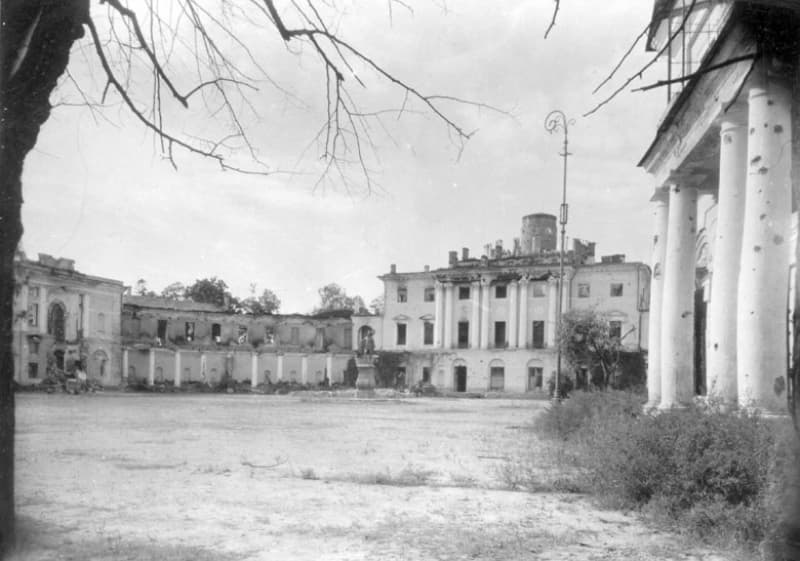
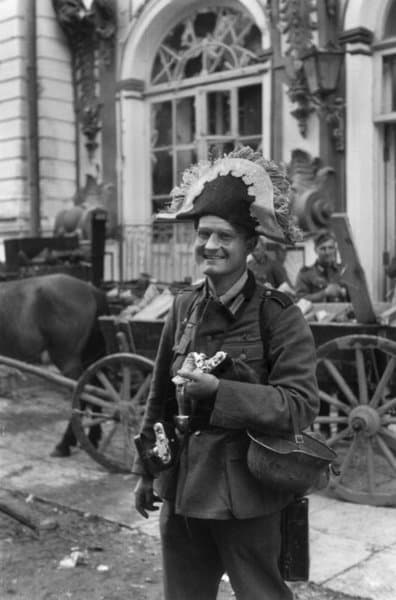
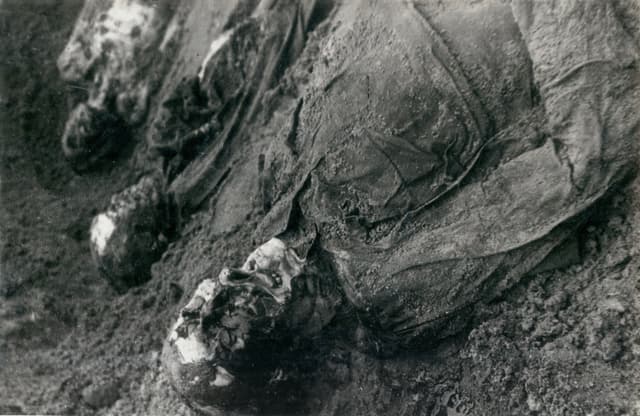
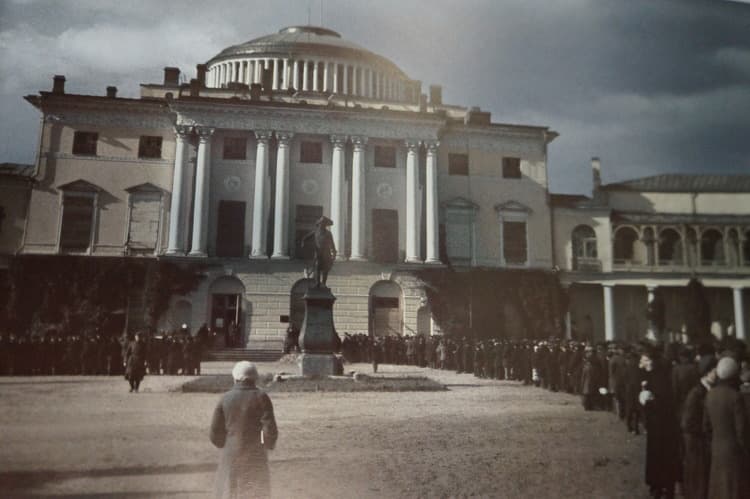
Digital research platform dedicated to the study of Nazi occupation, crimes against civilians and the genocide of Jews in the Leningrad Region (1941-1944).
The project brings together archival documents, geospatial analysis, witness testimony and verified scholarly metadata for international research, teaching and public memory work.
50+
Settlements researched
300+
Mass killing sites
40+
Ghettos identified
1 200+
Archival documents
100+
Witness testimonies
150+
Memorial sites
12
Research collections
Explore the history of occupation through a research atlas with multiple layers of verified archival evidence, places of violence, testimonies, documents and memorial sites.
Map layers
GISWork with state archives, museum collections, regional records and private documentary holdings.
Scanning and structured processing of documents, photographs, maps and testimony metadata.
Linking evidence to specific places using GIS tools and historical map comparison.
Cross-checking every record through multiple independent archival and scholarly sources.
Publishing verified data in the interactive atlas and research database for scholarly reuse.
Archive
The archive brings together documentary references, historical maps, testimony metadata and georeferenced records of occupied settlements, places of violence and memorial sites.
Holocaust Studies
A dedicated research layer documents ghettos, anti-Jewish violence, local collaboration, forced displacement and mass killing sites across the occupied Leningrad Region.
Behind every data point there are real people and real lives. Their stories are the human center of the research archive.
View All Stories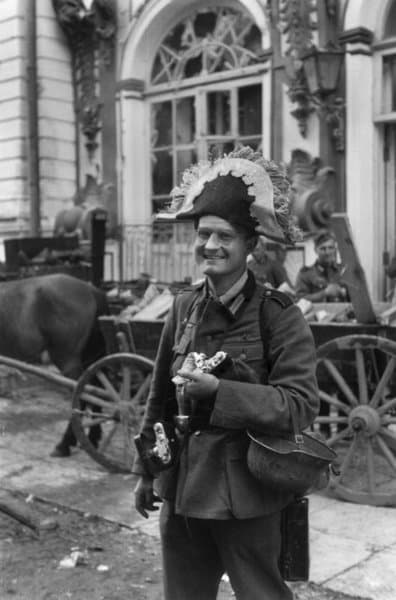
Survivor, Leningrad Region
“We hid in the forest for many days and waited for news from the village.”
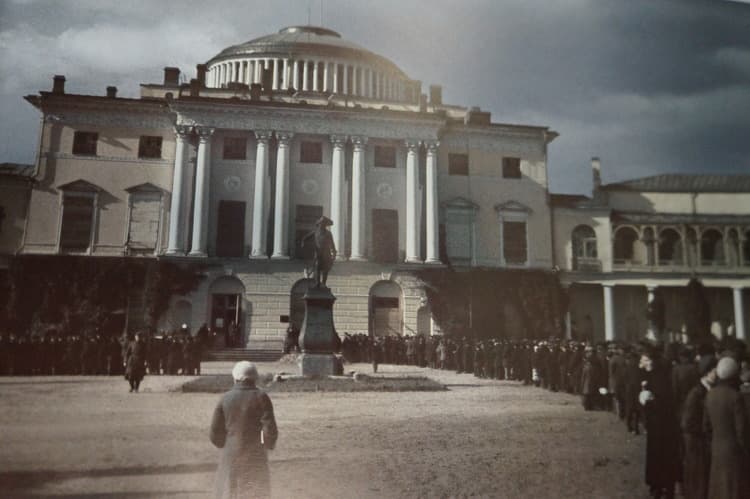
Survivor, Gatchina
“My entire family was taken to the ghetto before the winter.”
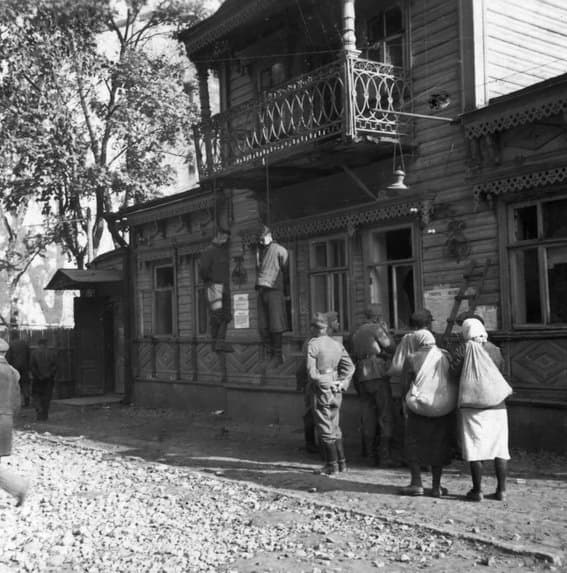
Survivor, Novgorod District
“The village was burned and people were shot near the road.”
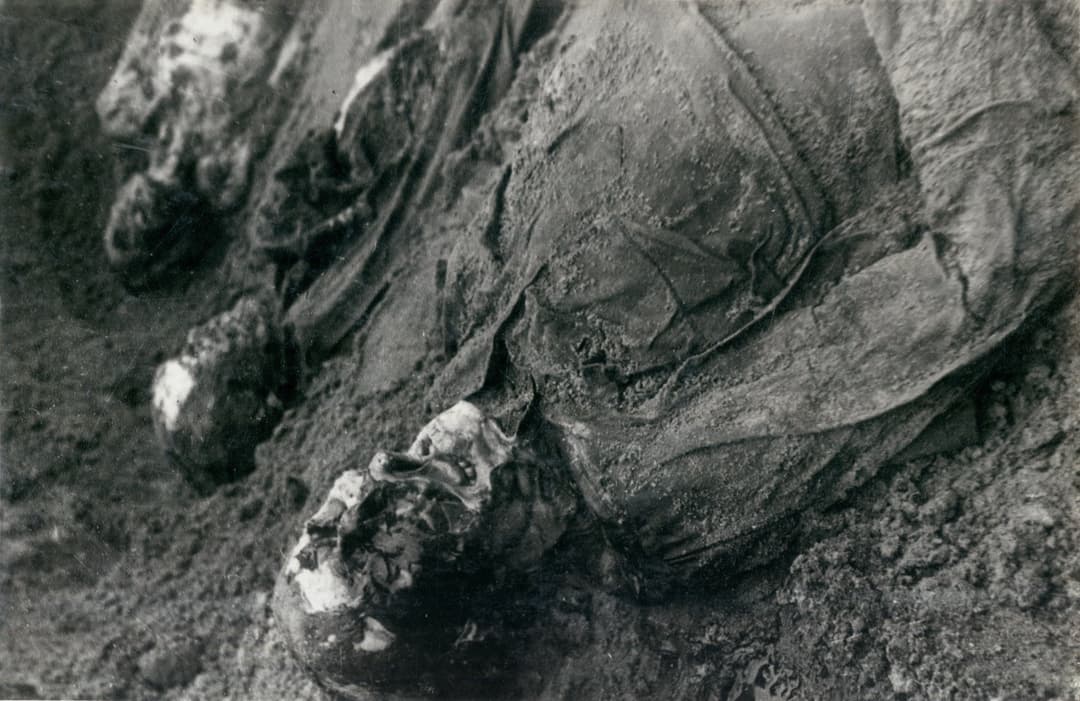
Survivor, Luga District
“I remember the day they came to our town and marked the houses.”
Article · 2026
Leningrad Front Research Group
Conference Paper · 2025
A. Ivanova, M. Schneider
Report · 2025
D. Levin, E. Korhonen
GeoJSON · CC BY-NC 4.0
Structured geospatial dataset of researched settlements, mass violence sites and memorial locations.
DownloadCSV · CC BY 4.0
Metadata index for digitized archival documents, source references and repository identifiers.
DownloadJSON · Restricted scholarly access
Controlled metadata for oral history records, testimony fragments and place references.
DownloadThe portal is designed as a sustainable research infrastructure for universities, archives, Holocaust Studies, Genocide Studies and Digital Humanities partners.
Join Our ResearchPublications
25+
Conferences
40+
Partners
15
Countries
8
Research Institutions
30+